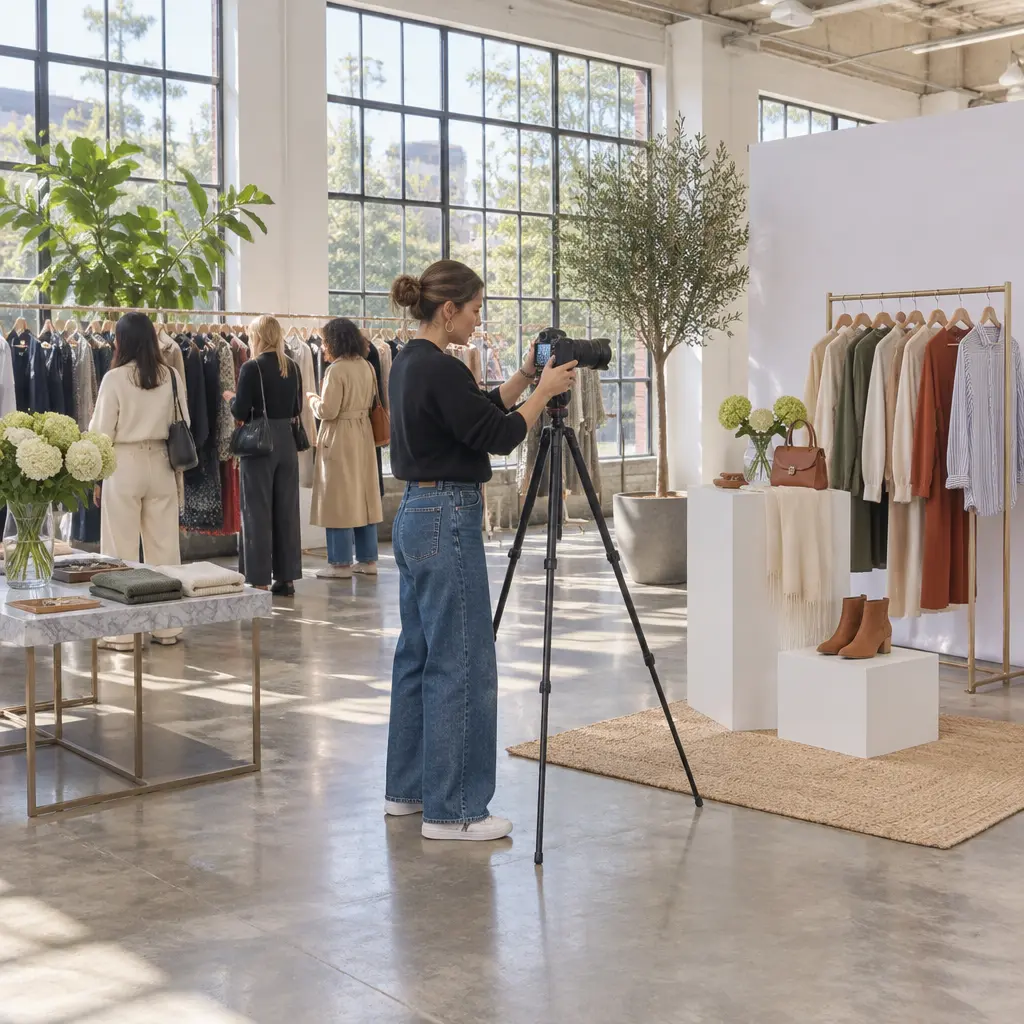
Getting dressed up for an event is the deliberate choice of clothing and grooming that fits a social occasion, expresses identity, and helps a person prepare for interaction. Research in psychology suggests that clothing can influence how people feel and think, while dress codes and social expectations shape how they present themselves. The effect is not universal: a formal outfit may increase confidence for one person and feel uncomfortable or inauthentic to another. Understanding these dynamics—from self-perception and emotion to belonging, impression management, and practical pressures—helps explain why getting dressed up can make an event feel different before it even begins.
Clothing influences self-perception and readiness
Psychologists Adam D. Galinsky and Hajo Adam describe “enclothed cognition” as the systematic influence that clothes can have on a wearer’s psychological processes, arising from both the symbolic meaning of clothing and the experience of wearing it. In their 2012 experiments, participants who wore a lab coat described as a doctor’s coat performed better on an attention task than participants who wore the same coat but were told it was a painter’s coat. The result illustrates a possible clothing effect, not proof that dressing formally always improves performance: the garment’s meaning and the experimental setting mattered.
For an event, getting dressed up can function as a transition ritual. Choosing an outfit signals that ordinary routines are giving way to a special occasion, and the process may help a person anticipate the role they expect to play. That preparation can support confidence, but clothing is only one influence among many, including mood, familiarity with the event, comfort, and social support.
Symbolic meaning and enclothed cognition
Enclothed cognition refers to the combined influence of a garment’s symbolic associations and the wearer’s physical experience of it. A suit may suggest professionalism, a uniform may signal membership, and ceremonial clothing may represent respect or tradition. These meanings are learned socially, so the same item can communicate different things in different settings. The key point is not that clothes have fixed psychological powers, but that what people believe an outfit represents can affect how they approach a situation.
Ritual, anticipation, and confidence
A getting-ready routine can create a sense of control and anticipation. Selecting clothing, grooming, and checking the final look may help people mentally rehearse an event, particularly when the occasion is unfamiliar or meaningful. This is a plausible everyday application of research on clothing and cognition, rather than a guaranteed psychological outcome. If an outfit pinches, restricts movement, or feels unlike the wearer, it can instead draw attention away from the event.
Dress-up choices communicate identity and social belonging
Clothing is also a form of nonverbal communication. Sociologist Erving Goffman’s account of self-presentation describes social interaction as involving efforts to shape the impressions others form. Dress can contribute to that presentation by indicating respect for an occasion, affiliation with a group, personal taste, or a desired professional image. These signals are interpreted by other people, however, and they can be ambiguous; an outfit does not reveal a person’s character or intentions with certainty.
What counts as “dressed up” depends on context. A wedding, awards ceremony, religious gathering, job interview, and themed party each carry different norms. Moving from the broad role of clothing in self-presentation to these setting-specific expectations shows why the same outfit may feel appropriate in one place and out of place in another.
Impression management and first impressions
Impression management is the process of influencing how one is perceived in an interaction. Event clothing can help someone appear polished, festive, respectful, or aligned with a group’s conventions. In a 1992 study, psychologists Leonard S. Newman and colleagues found that people made trait judgments about a target after brief exposure to a photograph. Such research supports the importance of first impressions, but it does not show that clothing alone determines them or that observers’ judgments are necessarily accurate.
Belonging, dress codes, and cultural expectations
Dress codes make social expectations visible. Formalwear can mark an event as ceremonial, while cultural or religious attire may express identity and respect. Following a shared convention can help someone feel included; uncertainty about the rules can produce self-consciousness. Since standards differ across communities, generations, workplaces, and cultures, hosts and organizers can reduce stress by explaining expectations clearly and allowing appropriate options.
Gender, identity, and personal agency
Getting dressed up can be a way to affirm gender expression, cultural identity, or an individual aesthetic. It can also involve pressure when available styles, sizing, or dress codes do not accommodate someone’s needs. A psychologically supportive approach treats dress as personal choice rather than a universal standard: people should be able to meet an event’s practical requirements without being forced into clothing that conflicts with their identity, accessibility needs, or comfort.
Getting dressed up affects emotion through comfort and context
Emotional responses to formal clothing vary with fit, familiarity, sensory experience, and the meaning attached to an occasion. A carefully chosen outfit may bring pleasure or confidence; an uncomfortable one may increase distraction. Therefore, the psychological value of dressing up is best understood as an interaction between clothing and person, rather than an effect of price, formality, or trendiness alone.
Affective experience and physical comfort
Comfort includes more than softness: it can involve fit, temperature, mobility, footwear, and whether a garment feels appropriate to the wearer. These factors shape attention and willingness to participate. For example, someone who can move, sit, and eat comfortably may find it easier to focus on conversation than someone preoccupied with a restrictive outfit. This practical observation should not be confused with a single universal statistic; comfort and emotional response differ substantially between individuals.
Social anxiety and uncertainty about what to wear
Unclear expectations can turn outfit selection into a source of worry. People may fear being underdressed, overdressed, or judged for failing to follow a norm. Clear invitations, examples of suitable attire, and permission to ask questions can reduce ambiguity. Guests can also use the event’s venue, time, stated dress code, and expected activities as practical clues, while choosing an outfit that remains comfortable and personally acceptable.
Mood, memory, and meaningful occasions
Special clothing can become associated with memorable occasions, such as graduations, weddings, cultural celebrations, or family gatherings. Putting on an outfit linked to a meaningful event may bring back memories and reinforce a sense of continuity or belonging. The emotional effect comes from personal and shared associations, not from a garment acting as a reliable mood treatment.
Practical and cultural factors shape the experience
The psychology of dressing up is affected by access as well as attitude. Cost, time, body-inclusive sizing, disability access, climate, and care requirements influence what people can wear and how they feel in it. Recognizing these conditions avoids treating confidence as simply a matter of choosing the “right” outfit.
Cost, access, and sustainability
Formal occasions can create financial pressure, especially when an invitation seems to require a new outfit. Rewearing, borrowing, renting, or adapting existing clothing can lower costs and reduce the need for single-use purchases. The United States Environmental Protection Agency reports that 11.3 million tons of textiles were landfilled in the United States in 2018. That national waste figure covers textiles broadly, not event clothing alone, but it provides context for considering reuse and garment longevity.
Accessibility and inclusive event planning
An inclusive dress expectation accounts for mobility aids, sensory sensitivities, medical needs, religious practice, and varied body types. Organizers can state whether a dress code is mandatory or suggestive, describe the expected level of formality, and avoid rules that unnecessarily limit cultural or gender expression. Practical flexibility helps guests participate without making clothing a barrier to attendance.
A practical approach to choosing an event outfit
A useful choice balances the occasion’s expectations with identity and comfort. Consider the event’s purpose and venue, check any stated dress guidance, and select clothing that supports the activities planned. Trying the outfit in advance can reveal fit or movement issues and reduce last-minute uncertainty. There is no single formula for feeling confident; the goal is a choice that is suitable, comfortable, and genuinely wearable for the person attending.
Conclusion: Dressing up is both personal expression and social preparation
Getting dressed up for an event can influence self-perception, support preparation, communicate identity, and help people navigate social expectations. Research on enclothed cognition offers evidence that clothing’s meaning may affect psychological processes, while work on self-presentation explains why dress matters in social encounters. Neither line of research means that formal clothing automatically creates confidence or that appearance accurately reveals character. Comfort, cultural context, accessibility, and personal choice all shape the experience.
For guests, the most useful next step is to clarify the dress expectations and choose an outfit that balances context with comfort and self-expression. For hosts, clear and inclusive guidance can make participation easier. Further reading on enclothed cognition, self-presentation, and sustainable clothing can deepen understanding of how everyday dress connects psychology with social life.
Sources: Adam, Hajo, and Adam D. Galinsky, “Enclothed Cognition,” Journal of Experimental Social Psychology, 2012, https://doi.org/10.1016/j.jesp.2012.02.008; Goffman, Erving, The Presentation of Self in Everyday Life, 1959, https://www.penguinrandomhouse.com/books/60050/the-presentation-of-self-in-everyday-life-by-erving-goffman/; Newman, Leonard S., et al., “Automatic Effects of Impression Primacy: The Role of Negative Information in the Formation of a Person Impression,” Social Cognition, 1992, https://doi.org/10.1521/soco.1992.10.4.301; U.S. Environmental Protection Agency, “Textiles: Material-Specific Data,” https://www.epa.gov/facts-and-figures-about-materials-waste-and-recycling/textiles-material-specific-data.