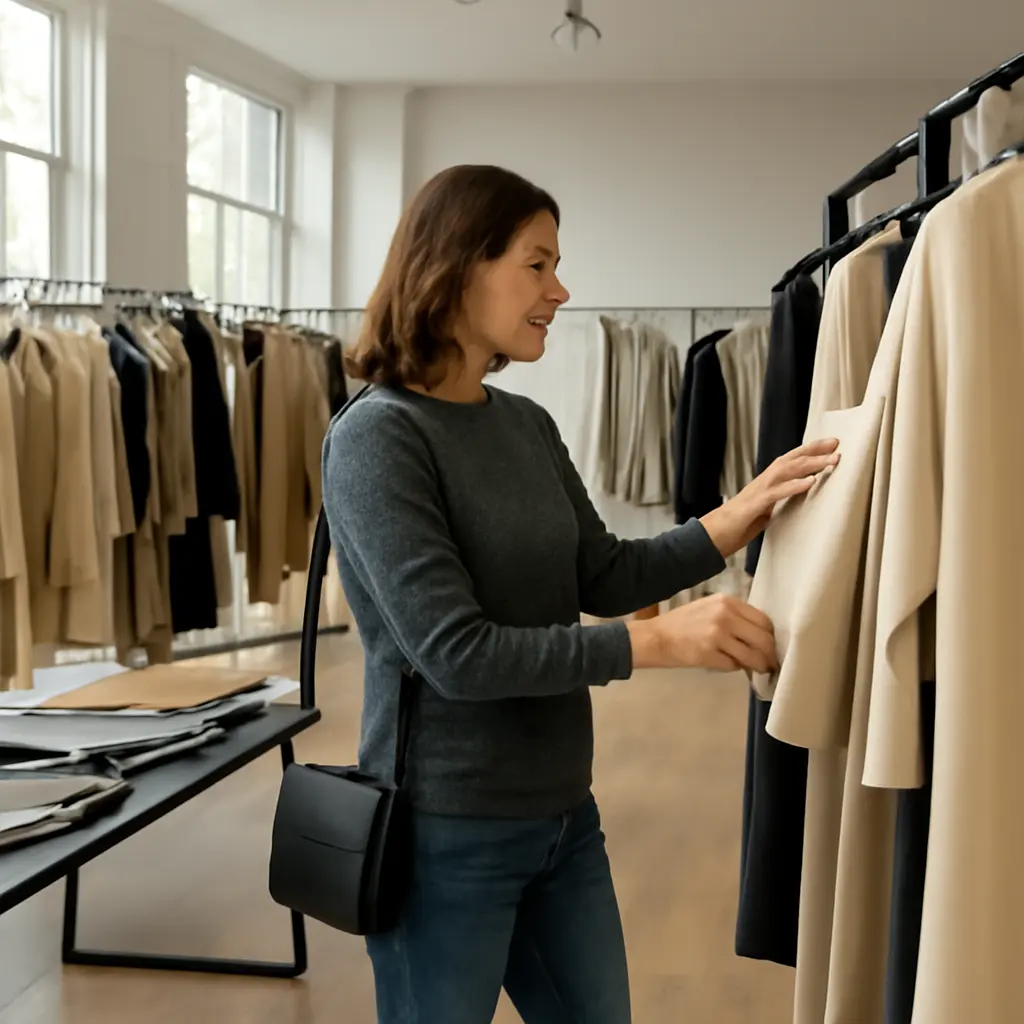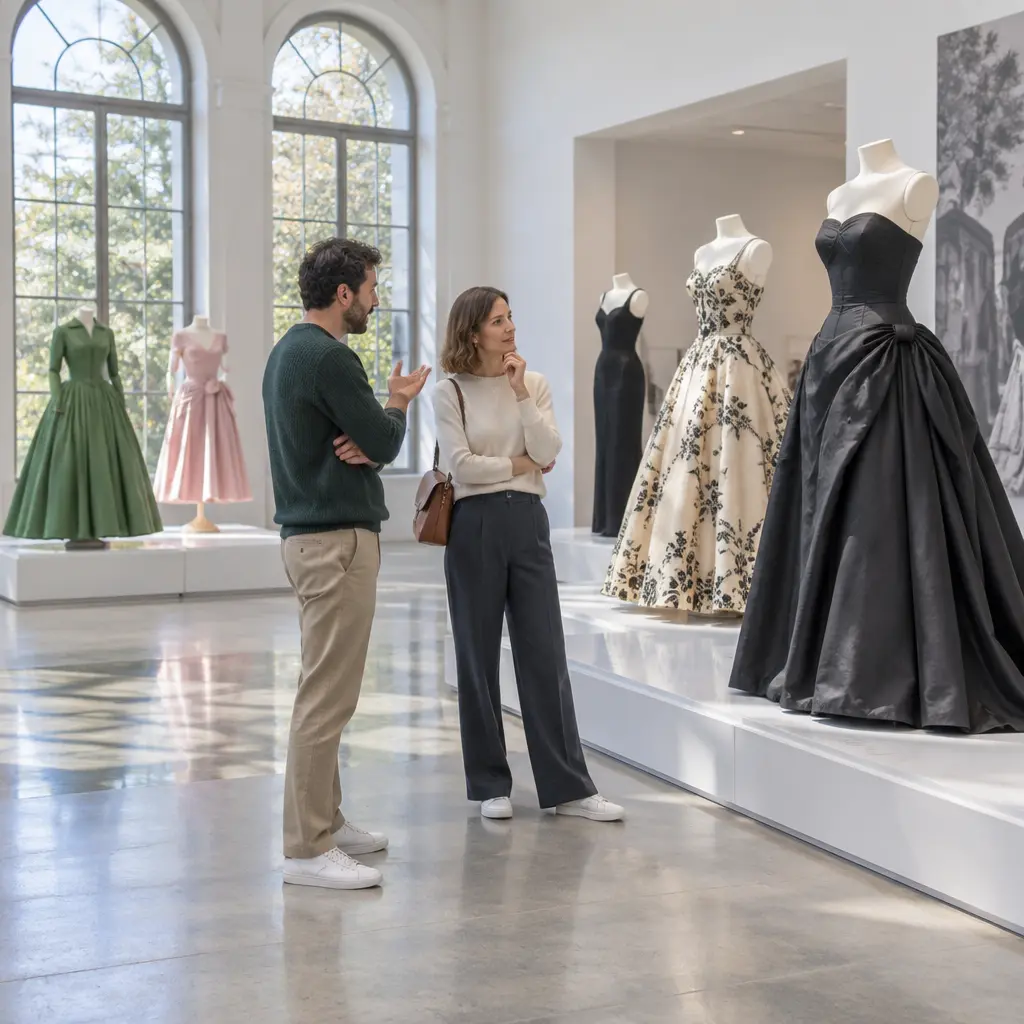
Fashion experiences create lasting memories when clothing, people, place, and emotion combine into a moment that feels personally significant. A runway show, a visit to a designer exhibition, or the search for a meaningful outfit can become memorable not simply because of what was worn, but because the experience engages the senses, expresses identity, and connects to a story. Research on autobiographical memory and consumer experience helps explain why these moments endure—and why fashion brands, museums, and event organizers increasingly design experiences rather than offer products alone.
Emotional engagement shapes fashion experience memories
A fashion experience memory is a recollection of an event involving dress, style, or fashion culture that a person can connect to a particular time, place, feeling, or meaning. It is not a formal clinical category; it describes how fashion-related episodes become part of autobiographical memory. Memory researchers such as Martin A. Conway characterize autobiographical memory as knowledge about a person’s life, including both specific events and broader personal themes. Applied to fashion, this means that a garment or event may be remembered as part of a milestone—such as a first job, a wedding, or a period of self-discovery—rather than as an isolated purchase.
Emotion helps make some experiences more memorable than others. In a review published in Nature Reviews Neuroscience, James L. McGaugh described evidence that emotional arousal can strengthen the consolidation of long-term memories. This does not mean that every dramatic fashion moment will be remembered accurately or forever. It does help explain why excitement, pride, surprise, belonging, or even discomfort can make an outfit or event easier to recall. The most memorable fashion experiences often combine several factors: emotional significance, sensory detail, social connection, and a clear personal story.
Emotional resonance and personal milestones
Emotional resonance is the connection between an experience and a feeling that matters to the individual. A person may remember the suit worn for a first interview because it represents independence, or a family member’s garment because it carries affection and history. The clothing becomes a cue for the larger event and the person’s interpretation of it. Fashion memories therefore depend not only on what happened, but also on what the event meant to the wearer.
This personal dimension also clarifies why identical events can leave different impressions. A crowded runway show might be exhilarating for one guest and overwhelming for another. The event’s emotional tone, expectations, and relevance to a person’s life influence what they attend to and later remember.
Sensory detail and distinctive cues
Sensory cues include visual design, fabric texture, sound, lighting, scent, and the physical atmosphere of a space. A distinctive silhouette, the feel of a material, or music associated with an event can act as retrieval cues: details that help bring a memory back later. Fashion is particularly suited to sensory association because clothing is both seen and physically worn. A fabric’s weight or a familiar perfume may help someone mentally revisit an occasion even when the garment is no longer present.
Sensory richness alone does not guarantee a lasting memory. A vivid experience becomes more personally durable when its details are connected to a meaningful event or story. This is why exhibition labels, designer narratives, and recollections shared with friends can help visitors interpret what they have seen.
Social connection gives fashion experiences shared meaning
Social fashion experiences are events in which clothing and style are encountered with other people, whether through dressing together, attending a show, visiting an exhibition, or participating in a community tradition. Social interaction adds conversation, recognition, and shared attention to the memory. Research by psychological scientist Dorthe Berntsen has examined how personal memories can be discussed and shared, while broader research on social remembering shows that conversations may shape which details people retain and how they interpret an event.
Fashion also makes social identity visible. What people wear can signal affiliation, taste, profession, cultural heritage, or resistance to convention. When others respond positively—or when a group recognizes a shared style—the experience may become a memory of belonging as well as a memory of clothing. The following forms of social participation show how that connection works.
Collective events and shared attention
Collective fashion events include runway presentations, fashion weeks, community celebrations, and group visits to exhibitions. Participants share a setting and direct attention toward clothing, models, designers, or performances. That common focus can give people a story to revisit together: what surprised them, which look stood out, or who they attended with.
The Met’s annual Costume Institute exhibition provides a prominent example of fashion presented as a cultural event. The Metropolitan Museum of Art reported that its 2019 exhibition, “Camp: Notes on Fashion,” received 1,659,647 visitors, placing it among the museum’s most attended exhibitions at the time. Attendance does not measure how memorable an exhibition was for each visitor, but it demonstrates the scale at which fashion can attract public attention and shared cultural discussion.
Identity, recognition, and belonging
Identity-based fashion experiences occur when style helps people express who they are or recognize a community to which they belong. This can happen through cultural dress, subcultural fashion, uniforms, or personal styling choices. A garment may become memorable because it helped its wearer feel visible, accepted, or confidently different.
The connection is not always positive. Clothing can also invite judgment or exclusion, and those experiences may remain memorable because they affect a person’s sense of safety or social standing. Considering both affirmation and discomfort is important when designing inclusive fashion events: participation should not depend on wealth, body type, gender expression, or familiarity with industry conventions.
Fashion storytelling connects garments to history and place
Fashion storytelling is the interpretation of clothing through narratives about its maker, wearer, materials, historical setting, or cultural meaning. A garment can be understood as more than an object when a story explains how it was made, who wore it, or what it represented. Museums, archives, and designers use these narratives to connect visual objects with human lives and larger historical changes.
The Victoria and Albert Museum’s 2015 exhibition “Savage Beauty,” devoted to the work of Alexander McQueen, attracted 493,043 visitors, according to the museum. Its presentation combined garments with theatrical scenography, music, and interpretive context. The case illustrates how a fashion exhibition can create a multi-sensory encounter while framing garments as part of a designer’s creative story. Visitor numbers show public reach, though they should not be treated as a direct measure of long-term memory or learning.
Museum interpretation and material culture
Material culture is the study of how objects express the values, practices, and relationships of the people who make and use them. Under this approach, a dress, shoe, or accessory can provide evidence about technology, labor, status, taste, and everyday life. Museum interpretation helps visitors connect those material details to a broader account of history.
The Costume Institute at The Metropolitan Museum of Art has collected and exhibited dress as a form of artistic and historical evidence. Its exhibitions show how curatorial choices—such as pairing garments with images, texts, or contemporary designs—can influence what visitors notice. A useful exhibit can therefore support both immediate enjoyment and later reflection, especially when it invites visitors to relate historical clothing to present-day questions about identity, craft, and consumption.
Place-based and heritage experiences
Place-based fashion experiences are tied to a specific location, such as a designer’s studio, a historic fashion district, a textile workshop, or a cultural festival. Place contributes atmosphere and context: seeing a garment in the city where it was made may feel different from seeing it in a conventional retail setting. Heritage experiences also connect clothing to family memory, community practice, and knowledge passed between generations.
For example, a visit to a textile workshop can make construction techniques more tangible by allowing visitors to observe tools, materials, and skilled labor. The experience may encourage a more nuanced understanding of a garment’s value than its price or label alone. When organizers document local knowledge responsibly and credit makers, place-based fashion can support cultural understanding rather than reducing heritage to a decorative theme.
Participation turns fashion encounters into personal experiences
Participatory fashion experiences invite people to do more than observe: they may try on garments, learn a craft, style an outfit, meet a designer, or contribute to a creative process. Participation gives visitors agency and can make an event feel more personally relevant. The experience-economy framework developed by B. Joseph Pine II and James H. Gilmore describes experiences as offerings that engage people in memorable ways; in fashion, hands-on activities can connect that idea to making, wearing, and self-expression.
Interactive exhibits and hands-on learning
Interactive fashion exhibits use activities or digital tools to help visitors explore clothing through action. Examples include textile-handling stations, design challenges, virtual styling, and demonstrations of garment construction. The activity can turn abstract information into a concrete encounter, but it should complement—not distract from—the objects and stories being presented.
The American Alliance of Museums has emphasized the value of visitor-centered interpretation and meaningful participation in museum practice. For fashion institutions, this can mean offering accessible explanations of materials and labor, inviting reflection on personal clothing choices, and making activities usable by visitors with different abilities and levels of prior knowledge. Evaluation should distinguish attendance and engagement from learning outcomes; visitor surveys, observation, and follow-up questions can help assess whether an experience remained meaningful.
Personalization and the act of wearing
Personalized fashion experiences allow participants to make choices that reflect their needs, tastes, or stories. A styling appointment, made-to-measure garment, clothing swap, or repair workshop can create a stronger sense of ownership because the participant helps shape the outcome. Wearing the result may then provide repeated reminders of the original experience.
Personalization is most meaningful when it offers genuine choice rather than superficial customization. Inclusive sizing, clear pricing, transparent production information, and respect for cultural meaning help ensure that participation is accessible and authentic. These details can turn a brand encounter into a positive memory—or, if handled poorly, into a lasting reminder of exclusion or disappointment.
Designing fashion experiences that endure
A memorable fashion experience is not simply the most expensive, spectacular, or technologically advanced one. It is an experience whose emotional, social, sensory, and narrative elements fit together and feel relevant to the people taking part. Designers and organizers can use the following principles to create encounters that are engaging while remaining respectful and accessible.
- Give the experience a clear story, linking clothing to people, craft, history, or a meaningful idea.
- Use sensory elements purposefully, while providing quiet or low-stimulation options for visitors who need them.
- Make room for participation and reflection without requiring specialized fashion knowledge.
- Represent different bodies, identities, cultural traditions, and price realities with care and context.
- Evaluate more than attendance: gather feedback about accessibility, emotional response, learning, and what visitors remember later.
A chart accompanying this article could compare the main memory-building factors—emotional significance, sensory cues, social connection, storytelling, and participation—against example experiences such as a runway show, a museum exhibition, and a repair workshop. Such a chart should present these as qualitative influences, not as a scientifically ranked formula, because the importance of each factor varies between individuals and contexts.
Conclusion: Fashion experiences become memories through meaning
Fashion experiences create lasting memories when emotion gives them personal significance, sensory details make them vivid, social connection turns them into shared stories, and interpretation links clothing to identity, place, or history. Participation can deepen that connection by giving people a role in what they see or make. Museum attendance figures and memory research offer useful context, but they do not guarantee that any single experience will be remembered; meaning depends on the person and the moment.
For fashion brands, museums, educators, and event organizers, the broader implication is clear: a successful experience should be memorable for the right reasons. Build stories around people and craft, create welcoming opportunities to participate, and measure accessibility and learning as well as attendance. Readers can explore a local fashion exhibition, speak with makers about their work, or record the personal stories attached to garments they already own.
Sources: Conway, Martin A., “The Construction of Autobiographical Memories,” The Psychology of Learning and Motivation, 2005, https://doi.org/10.1016/S0079-7421(05)80004-2; McGaugh, James L., “The Amygdala Modulates the Consolidation of Memories of Emotionally Arousing Experiences,” Nature Reviews Neuroscience, 2004, https://doi.org/10.1038/nrn1335; The Metropolitan Museum of Art, “The Costume Institute’s Spring 2019 Exhibition: Camp: Notes on Fashion,” 2019, https://www.metmuseum.org/press-releases/camp-notes-on-fashion-2019-exhibition; The Metropolitan Museum of Art, “The Costume Institute’s Alexander McQueen: Savage Beauty Exhibition Closes with 493,043 Visitors,” 2011, https://www.metmuseum.org/press-releases/alexander-mcqueen-savage-beauty-2011-exhibition-closes; Victoria and Albert Museum, “Alexander McQueen: Savage Beauty,” https://www.vam.ac.uk/exhibitions/alexander-mcqueen-savage-beauty; Pine, B. Joseph II, and James H. Gilmore, The Experience Economy: Work Is Theatre & Every Business a Stage, Harvard Business School Press, 1999, https://hbr.org/1998/07/welcome-to-the-experience-economy; American Alliance of Museums, “Excellence in Practice: Museum Evaluation,” https://www.aam-us.org/programs/resource-library/